How Do Online Notaries Verify Your Identity?
Updated 2026-09-19
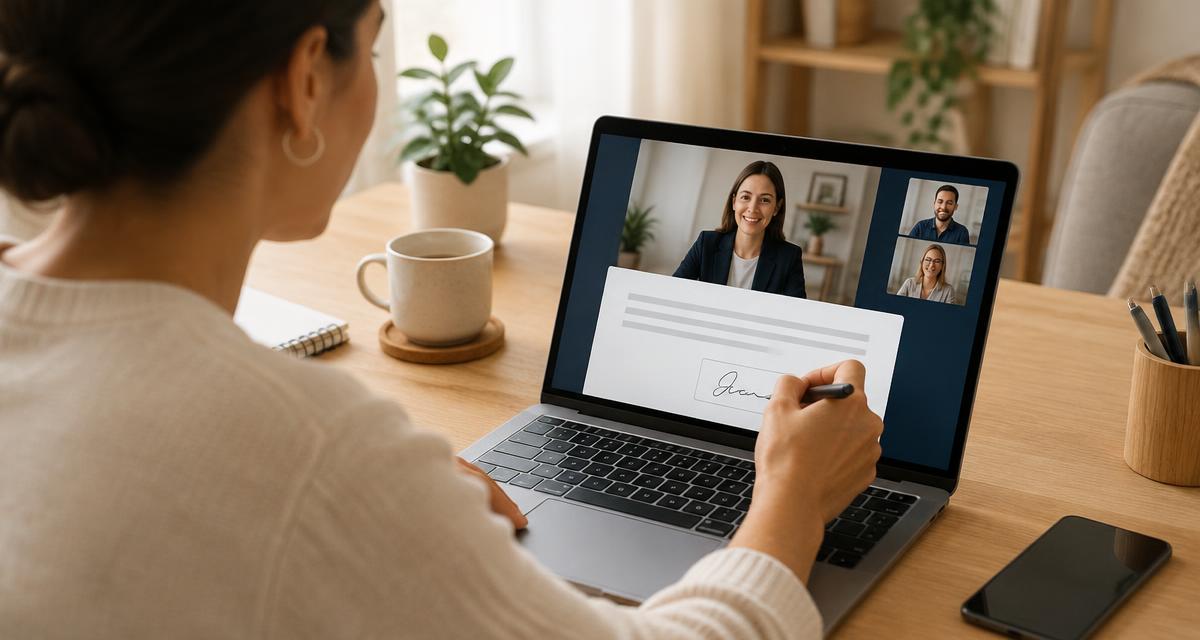
Online notaries typically verify identity in layers: knowledge-based authentication asks questions only you are likely to answer, credential analysis examines your photographed identification for signs of tampering, and the notary visually compares you to the identification during the live session. Some states or platforms add biometric facial comparison.
Knowledge-based authentication
A short multiple-choice quiz generated from public and commercial records — former addresses, past lenders, vehicles. It is timed, and attempts are limited, usually to one or two per period. People who have moved recently, have a thin credit file or share a common name fail it most often.
Credential analysis
You photograph the front and back of your identification. Software examines security features, fonts, layout and data consistency to detect forgery or alteration. Glare and shadows are the usual reason a genuine card is rejected, so photograph it on a flat, matte surface with even light.
The notary's own check
During the session the notary compares your face with the identification photograph, confirms the details match your document, and satisfies themselves that you understand what you are signing and are doing so freely — exactly as they would in person.
If verification fails
- Wait and retry if the platform allows another attempt.
- Try a different acceptable identification document, such as a passport.
- Move to better lighting and retake the identification photographs.
- Switch to an in-person or mobile notary, who examines the physical card directly.
Frequently asked questions
- Is my personal data stored?
- Platforms retain session recordings and verification records as state law requires. Ask the notary or platform about their retention policy.
- Why do the questions mention places I have never lived?
- Decoy answers are included deliberately. Choose 'none of the above' when nothing applies.
- Can a friend vouch for me online?
- Credible witness procedures exist in some states for in-person acts; online sessions rely on the electronic verification steps.
Search the notary directory
Enter your ZIP code or city to see notaries who serve your area.
Related guides
What Do I Need for an Online Notary Appointment?
A checklist for a smooth remote online notarization, and the setup problems that cause most delays.
Read guideHow Does Online Notarization Work?
A step-by-step walkthrough of an online notarization appointment, from uploading your document to receiving the notarized file.
Read guide
What Forms of ID Can I Use for Notarization?
Which identification documents notaries typically accept, why expired ID is a problem, and what to do if your name has changed.
Read guideCan I Get Something Notarized Without an ID?
What your options are when you have no photo identification, including credible identifying witnesses and personal knowledge.
Read guideNotarization requirements vary by state and document type. A notary public generally cannot give legal advice, choose a document for you, draft a document unless separately authorized, tell you how to complete a form, or explain the legal effect of signing. If you are unsure whether your document needs notarization or which notarial act is required, ask the agency or person receiving the document, or consult a qualified legal professional.