Do I Need a Bill of Sale Notarized?
Updated 2026-09-19
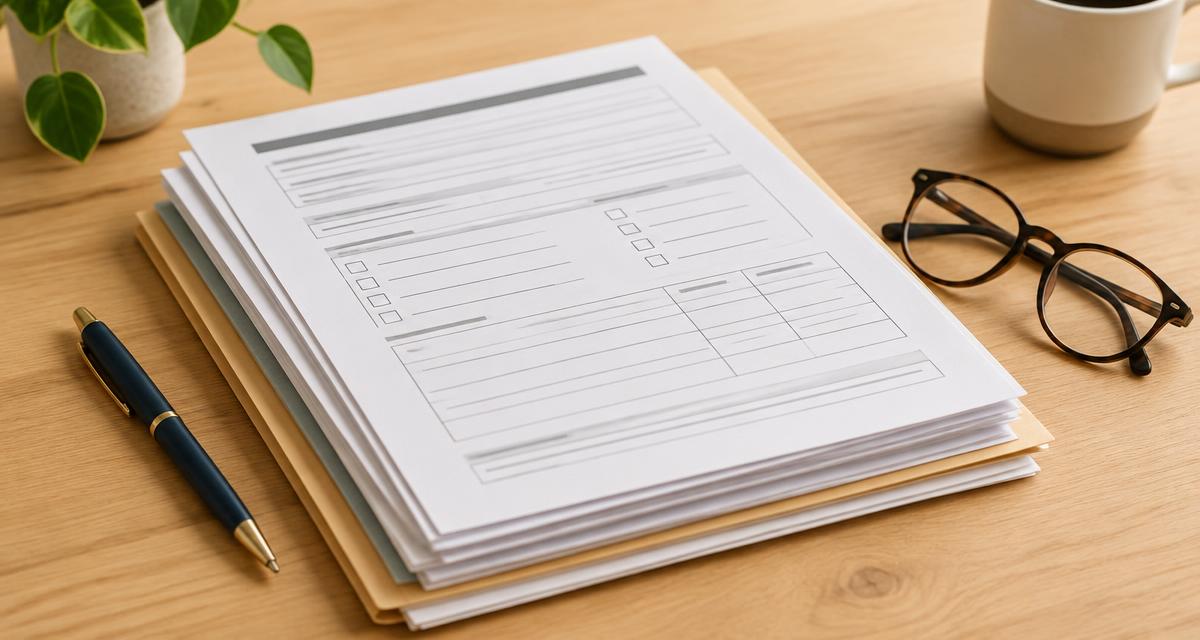
A bill of sale does not always need notarization, but some states and some buyers require it for vehicles, boats, trailers and high-value equipment. If notarization is required, the seller — and sometimes the buyer — signs in front of the notary with photo identification.
When it is usually required
- Vehicle, boat or trailer sales in states that require it
- Private sales where the buyer wants added protection
- Sales of expensive equipment or livestock
- Transactions where a lender or insurer asks for it
What a bill of sale normally records
Names and addresses of both parties, a description of the item including any serial or identification number, the sale price, the date, and whether the item is sold as-is. Keep a signed copy for your own records.
How it relates to the title
For vehicles, the title transfer is the legal change of ownership; the bill of sale is supporting evidence of the transaction. Some states require both, and some require both to be notarized. Your motor vehicle agency is the authority on this.
Making it easy
Because the seller and buyer are often meeting to exchange the item anyway, a mobile notary who comes to the meeting point is a practical option. Both parties should bring photo identification.
Frequently asked questions
- Can we use a template?
- Yes, and many state agencies publish one. A notary cannot help you fill it in.
- Do both parties need to be present?
- Only those whose signatures are being notarized.
- Is a notarized bill of sale proof of ownership?
- For titled property, the title governs ownership. The bill of sale documents the transaction.
Search the notary directory
Enter your ZIP code or city to see notaries who serve your area.
Related guides
How to Get a Vehicle Title Notarized
Which states require a notarized title transfer, who has to be present, and the mistakes that void a title.
Read guide
What Do I Need to Bring to a Notary?
A checklist of what to bring to a notary appointment: the document, identification, signers, witnesses and payment.
Read guide
How to Find a Mobile Notary Near Me
How to find a mobile notary who travels to your home, office or facility, what to ask when you book, and what mobile service usually costs.
Read guideHow Much Does a Notary Cost?
How notary fees work: the per-signature notarial fee, travel fees, after-hours charges and what to confirm before booking.
Read guideNotarization requirements vary by state and document type. A notary public generally cannot give legal advice, choose a document for you, draft a document unless separately authorized, tell you how to complete a form, or explain the legal effect of signing. If you are unsure whether your document needs notarization or which notarial act is required, ask the agency or person receiving the document, or consult a qualified legal professional.